In Desert Hot Springs, known for its serene landscapes and therapeutic hot springs, a hidden challenge persists: the struggle against alcohol addiction. This pervasive issue affects individuals from various backgrounds, manifesting in not only health crises but also social and economic repercussions for the community. The escalating need for effective alcohol addiction treatment in Desert Hot Springs underscores the importance of specialized, accessible care. Addressing this need is vital to fostering a healthier, more resilient community, as alcohol addiction remains one of the most daunting public health challenges in the area. The critical demand for alcohol addiction treatment in Desert Hot Springs is highlighted by the increasing number of individuals and families affected by alcohol use disorder. As the community grapples with this growing concern, the need for comprehensive and tailored treatment programs becomes increasingly apparent. These programs must not only address the immediate effects of alcohol dependency but also tackle the underlying factors contributing to the addiction, providing a holistic approach to recovery and long-term sobriety. Understanding Alcohol Addiction Alcohol addiction is a multifaceted disease characterized by the compulsive use of alcohol despite negative consequences. It encompasses a spectrum of behaviors, from binge drinking to chronic alcoholism, and manifests through various signs like an inability to limit drinking, persistent cravings, and withdrawal symptoms when not drinking. The condition severely impacts individuals’ health, relationships, and ability to function effectively in daily life, necessitating a nuanced understanding of effective treatment. The psychological and physical ramifications of alcohol dependency are profound and far-reaching. Psychologically, it can lead to cognitive impairments, and emotional instability, and exacerbate or trigger mental health disorders. Physically, chronic alcohol abuse can cause a slew of health problems, including liver disease, cardiovascular issues, and neurological damage. These impacts highlight the necessity for a comprehensive dual diagnosis treatment approach that addresses both the mental and physical health needs of individuals suffering from alcohol addiction. The Scope of Alcohol Addiction in Desert Hot Springs Desert Hot Springs, while renowned for its natural beauty and therapeutic waters, is not immune to the nationwide epidemic of alcohol addiction. The area has witnessed a concerning trend in alcohol-related issues, with statistics indicating a rise in alcohol abuse cases that parallels, and in some instances exceeds, broader California state statistics. This local escalation of alcohol addiction necessitates a focused response to mitigate its effects on the community and improve public health outcomes. Comparing the alcohol addiction rates of Desert Hot Springs with those of the larger California region reveals both unique challenges and common trends in battling this pervasive issue. Factors such as local socioeconomic conditions, availability of alcohol, and community norms around drinking play a significant role in influencing the prevalence and nature of alcohol addiction in the area. These localized insights are crucial for developing targeted treatment strategies that effectively address the specific needs and circumstances of the Desert Hot Springs population. Challenges in Overcoming Alcohol Addiction: Treatment in California Individuals struggling with alcohol addiction face numerous obstacles on the path to recovery. The journey is fraught with challenges, including the physical dependence on alcohol, the stigma associated with addiction, and the emotional and psychological toll of breaking free from alcohol’s grip. These barriers can make the prospect of recovery daunting, emphasizing the need for supportive, empathetic treatment programs that address these multifaceted challenges. In Desert Hot Springs, the battle against alcohol addiction is compounded by social and environmental factors, such as limited access to specialized healthcare services and prevalent drinking culture. These factors can exacerbate the difficulties faced by individuals in seeking and sustaining recovery. Therefore, creating an environment that supports recovery, including accessible treatment facilities, community education, and prevention programs, is essential to help individuals overcome these challenges and achieve long-term sobriety. Comprehensive Desert Hot Springs Alcohol Addiction Treatment Programs Living Longer Recovery, situated in the heart of Desert Hot Springs, offers an array of alcohol addiction treatment programs designed to meet the diverse needs of its residents. These programs range from intensive inpatient alcohol detox care to flexible outpatient services including a partial hospitalization program (PHP), all structured to support individuals at various stages of their recovery journey. The center’s commitment to providing personalized, comprehensive treatment plans ensures that each individual receives the care and support necessary for effective recovery. The treatment programs at Living Longer Recovery are characterized by their holistic approach, integrating various therapeutic modalities to address the physical, emotional, and social aspects of addiction. From medically supervised detoxification to cognitive-behavioral therapy and family counseling, the center’s offerings are comprehensive and designed to facilitate healing on multiple levels. This multifaceted approach ensures that residents of Desert Hot Springs and the wider California area have access to quality care that is sensitive to their unique recovery needs. The Living Longer Recovery Approach to Alcohol Addiction Treatment in California Living Longer Recovery distinguishes itself through its innovative and compassionate approach to alcohol addiction treatment. The center’s philosophy is grounded in the belief that recovery encompasses more than just abstaining from alcohol; it involves a profound transformation of mind, body, and spirit. Through a combination of evidence-based therapies, supportive community engagement, and individualized care plans, Living Longer Recovery aims to empower individuals to achieve sustainable recovery and a renewed sense of purpose. The therapeutic strategies employed at Living Longer Recovery are tailored to enhance the resilience and well-being of individuals undergoing treatment. The center’s dedicated team of professionals employs a range of therapeutic techniques, including individual and group counseling, holistic therapies like yoga and meditation, and educational workshops on relapse prevention and healthy living. This comprehensive approach not only addresses the immediate challenges of alcohol addiction but also equips individuals with the tools and knowledge to build a fulfilling, sober life. Why Choose Living Longer Recovery for Alcohol Addiction Treatment in Desert Hot Springs? Choosing Living Longer Recovery for alcohol addiction treatment offers significant benefits for residents of Desert Hot Springs. The center’s proximity to the community ensures that individuals have easy access to high-quality, continuous care, which is crucial

In California, the sun-kissed state known for its dynamic cities and picturesque landscapes, there lurks a less visible but pervasive crisis: drug addiction. This complex issue affects individuals from all walks of life, creating a tapestry of challenges that ripple through communities and the healthcare system. The quest for effective treatment is not just about addressing the immediate effects of substance abuse but also about laying the groundwork for sustainable recovery and healing. The importance of finding reliable, comprehensive drug addiction treatment in California at a Tricare Drug Rehab near me cannot be overstated, as the journey toward recovery is intricate and multifaceted, requiring specialized care and support. The landscape of drug addiction in California is as diverse as its population, with each individual facing unique challenges. As the state grapples with increasing rates of substance abuse, the demand for effective solutions for drug addiction treatment near me has never been more critical. California facilities like Living Longer Recovery emerge as beacons of hope, offering a sanctuary where people can embark on a path toward healing and self-discovery. Considering the prevailing drug addiction trends in California and the far-reaching impacts of this epidemic, it’s important to know how treatment at top-tier rehab centers like Living Longer Recovery can facilitate profound, life-changing recovery. Understanding Drug Addiction in California California’s battle with drug addiction mirrors a growing national trend, yet it has its own distinct challenges and characteristics. The state’s diverse demographic and socioeconomic landscape contribute to a complex picture of drug abuse, with opioids, methamphetamines, and alcohol leading as the substances most commonly misused. Recent statistics indicate a concerning rise in addiction rates, particularly in urban areas where access to drugs is more prevalent. Moreover, the demographic profile of affected individuals is broad, spanning various ages, ethnicities, and social backgrounds, reflecting the universal reach of addiction’s grasp. In exploring the trends of drug addiction in California, it becomes apparent that the issue is not isolated to any one community or demographic. Young adults, particularly those in the 18-25 age bracket, are increasingly susceptible, but the problem extends to older adults and even teenagers, underscoring the indiscriminate nature of substance abuse. Economic factors, including poverty and unemployment, exacerbate the situation, creating environments where drug abuse becomes a coping mechanism for deeper social and personal issues. This paints a stark picture of the addiction landscape in California, highlighting the need for comprehensive and accessible treatment programs that can address the nuanced needs of the state’s diverse population. Let’s look at some of the specifics according to the California Health Care Foundation’s 2022 substance use disorder almanac: The fentanyl death rate increased by more than 1,000% from 2015 to 2019. The number of non-heroin-related opioid visits to emergency departments more than doubled between 2018 and 2020, and amphetamine-related visits increased nearly 50% during that same time. About 8.8% of Californians 12 and older had a substance use disorder — or more than 2.9 million people. The Rise of Drug Addiction in Recent Years The escalation of drug addiction in California over recent years is alarming, with data showing a marked increase in substance abuse cases across the state. This rise is not just a statistic; it reflects the growing number of families and communities disrupted by the devastating effects of addiction. Factors contributing to this increase include the availability of prescription opioids, the influx of synthetic drugs like fentanyl and other opiate addictions, and social issues such as homelessness and mental health disorders. These elements, combined with the state’s significant population, create a fertile ground for drug abuse to thrive and expand. Analyzing the rise in drug addiction reveals a multifaceted problem influenced by both individual circumstances and broader societal trends. The economic downturns and the increasing pressures of modern life have led many to seek solace in drugs, perpetuating a cycle of dependency and despair. Additionally, the COVID-19 pandemic has intensified the situation, with isolation and stress leading to an uptick in substance abuse as individuals grapple with unprecedented challenges. This complex web of factors underscores the urgency for effective, empathetic, and comprehensive California drug addiction treatment near me, emphasizing the need for a robust response to counteract this growing epidemic. How Drug Addiction Affects Individuals and Communities The impact of drug addiction extends far beyond the individual, affecting physical health, mental well-being, and socio-economic status. For the person struggling with addiction, the journey is often marred by health complications, broken relationships, and financial instability. The personal toll of addiction is profound, manifesting in various life aspects, including employment, education, and familial bonds. This deterioration of personal life not only hampers individual potential but also contributes to a cycle of dependency that is hard to break without professional intervention. Beyond the individual, drug addiction casts a long shadow over communities, influencing social dynamics and economic health. The social cost of drug addiction includes increased healthcare expenditures, law enforcement resources, and lost productivity, placing a significant burden on public services and community resources. Neighborhoods grappling with high rates of substance abuse often face challenges like crime, homelessness, and declining property values, which in turn affect community cohesion and overall quality of life. This broader impact highlights the critical need for community-focused California drug addiction treatment programs that not only address the individual’s needs but also work toward healing and strengthening the community fabric. Living Longer Recovery: Leading the Way in Drug Addiction Treatment Living Longer Recovery stands as a pillar of hope and healing in the realm of Blue Cross Inpatient addiction treatment near me in California. With a deep-rooted commitment to providing compassionate, evidence-based care, Living Longer Recovery has established itself as a premier facility for individuals seeking to escape the clutches of addiction. The center’s mission goes beyond mere treatment; it is about fostering an environment where individuals can undergo transformative healing and regain control of their destinies. Through a holistic approach that addresses the physical, psychological, and social aspects of addiction, Living Longer Recovery crafts personalized recovery journeys that resonate
Ideally, PHP or partial hospitalization program is one of the most intensive addiction treatments that are likely to be available besides an inpatient or residential treatment facility. If necessary, the PHP drug treatments offer patients a comprehensive therapy like counseling and medical care. At times the Top Partial Hospitalization Program is also known as intensive outpatient programs. The treatments are ideal for people that are diagnosed with: Substance use disorder (SUD) Alcohol use disorder (AUD) Mental health disorder Types of therapy employed at PHP: The main focus of the Top Partial Hospitalization Program is on intensive addiction treatment therapies. Individual therapy is mainly with an expert addiction counselor that tends to allow the patient to explore causes and triggers of drug abuse or alcoholism and works to curb the denial. Group therapy includes a professional addiction treatment facilitator, and you are encouraged to enter into group discussions regarding experiences, feelings, aspirations, coping skills, and other things. Family therapy includes the family process in the recovery process as it can be quite challenging to evaluate oneself- even when being completely honest. Duration of the PHP treatment: Partial hospitalization programs include a plethora of services, including individual therapy, group therapy, educational classes, and others. Under the PHPs treatment, you need to attend sessions from three to five days per week, and sessions are at least about six hours long. Additionally, yoga therapy for drug rehab is offered to help clients manage stress and promote physical and mental well-being. Our PHP Programs Recovery period: The recovery process tends to be for at least 90 days; it doesn’t mean you have to be in PHP for 90 days. The entire course of care includes several transitions, and it lasts at least three months. One will be encouraged to participate in their community and have a consistent income stream to live independently in recovery. Additionally, people need to take the possibility of relapse into their account, as it is pretty standard in recovery. They need to commit more time to treatment if relapse occurs or seems to occur. Important goals of the PHP program: At PHP Rehab Center California, there is undoubtedly a treatment at least five days per week while other days you can remain at home on the weekends; time at home allows you to practice meal planning and adaptive coping skills. You can continuously focus on the normalization of nutrition and symptom blockade while you tend to be in programming and at home. You can also continue to explore the function of the eating disorder in your life, and at the same time, you need to work to strengthen and develop other healthy aspects of yourselves separate from the illness. The difference between Partial hospitalization and others: Almost all parts of the program take place at the facility during inpatient and residential treatment programs. One can eat, sleep, and undergo all treatment at the residency when they are undergoing the program. While at PHP Rehab Center California, almost all of the treatment services tend to take place at the facility, but one can return home to sleep. The benefits vary depending on the program, as some programs provide food and transportation. Structure of the PHP program: Evaluation – You need to undergo an interview, medical examination, and urine test as these exams will provide the foundation of the treatment plan. Detox – Your body must adjust to functioning without drugs or alcohol, and even though it is challenging as the withdrawal symptoms are the worst during this stage, medical care cannot be ignored, come what may. Psychological and Medical Treatment allows you to learn skills and techniques to prevent relapse, discover valuable resources, and lead a healthy life. Transition happens when you know the knowledge and tools to start practicing your new behaviors and coping skills, the intensity of treatments will be reduced, and the number of days, or hours in the day, spent at the facility to focus on transitioning to a sober life are likely to decline. Maintenance is an essential part of a partial hospitalization program besides support and care throughout your sober life. Benefits of a PHP program: The best part about PHP programs is the ability for individuals to spend their evenings and weekends in their comfort. Constant access to medical and behavioral health specialists, including pharmacists, psychologists, and others. More cost-effective as compared to inpatient care PHP allows you to practice skills you learn in treatment and implement them in the real world. Claim to offer a slow and safe transition from inpatient care to real life. The centers have a plethora of specialists and experts that allows them to conduct highly effective education programs. Hence, PHP claims to offer almost all essential elements of structure and therapy throughout the day, and it also aligns with the responsibility of returning home after each session. You are expected to practice newly developed coping skills and self-care while nurturing a commitment during your independent time away from programming.
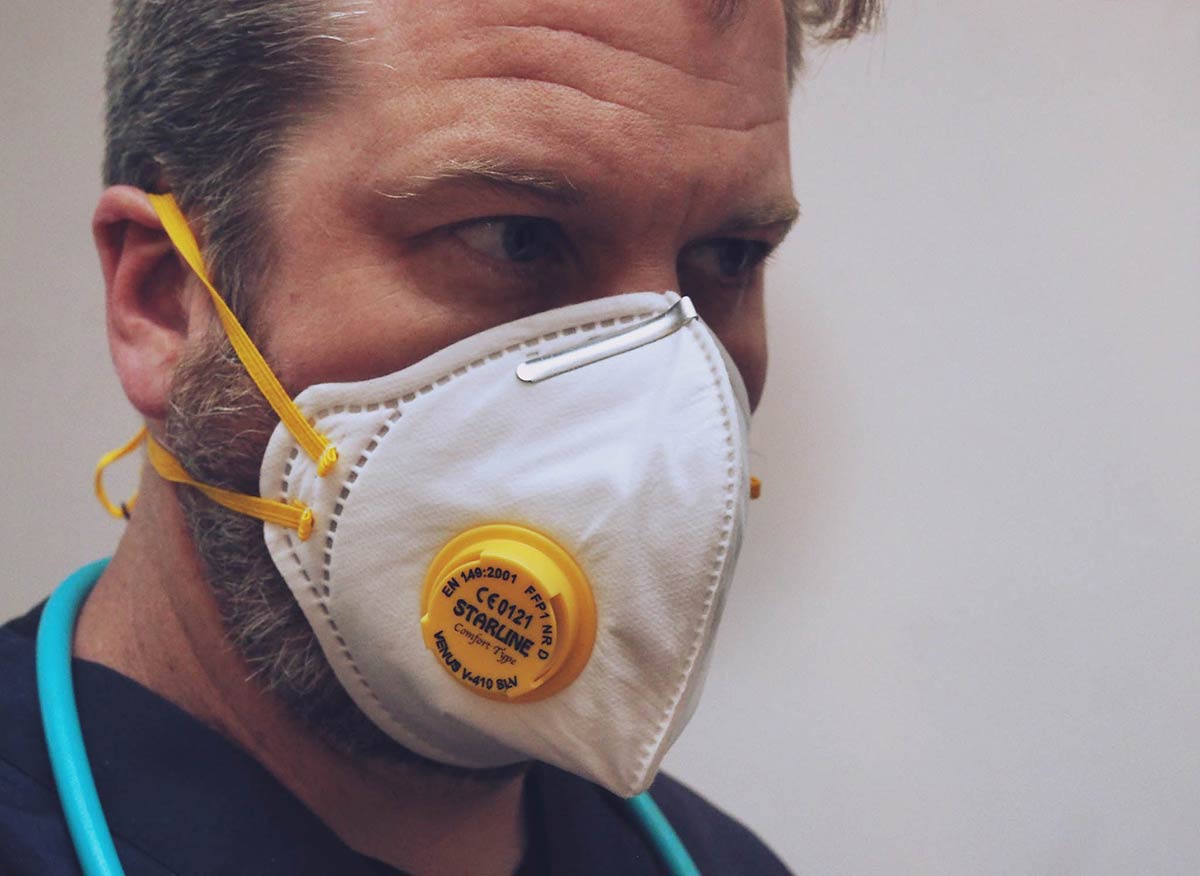
That means that you should still be following any shelter-in-place orders in your community. But when you’re venturing out to the grocery store, pharmacy or hospital, it’s wise to wear one.
It’s normal to feel anxiety, worry and grief any time you’re diagnosed with a medical conditio – and that’s certainly true if you test positive for COVID-19, or are presumed to be positive. If your symptoms aren’t severe and you can recover at home, this will involve home isolation until it’s safe for you to be near others without potentially spreading the infection. Isolation protects others from getting sick – but for the person who is sick, it might seem like one more thing on top of an already stressful situation. “Stress negatively affects your body, so while you rest up and work on recovering physically, it’s important to keep your mental health in check, too,” says psychiatrist Amit Anand, MD. Here are some ways to keep anxiety and sadness from the creeping in while you recover from COVID-19: Focus on what you can know and control You may not know how you got infected, or how long it will take to recover. Instead of focusing your energy on regret or what ifs, double down on what you can do. Your job now is to take care of yourself, get well and avoid spreading the infection to anyone else. Engage your support network Ask loved ones to check in on you regularly via phone, email or video chat. Talk to them about how you’re feeling. If you’re worried about taking care of children, pets or household duties while you’re sick, identify family members, friends or members of your community who aren’t part of a high-risk population and may be able to help.