
Drug and Alcohol Detox
Stopping can feel physically uncertain. Drug and alcohol detox can offer a supervised start focused on safety and comfort. From there, you can prepare for continued care.
See if this fits your needs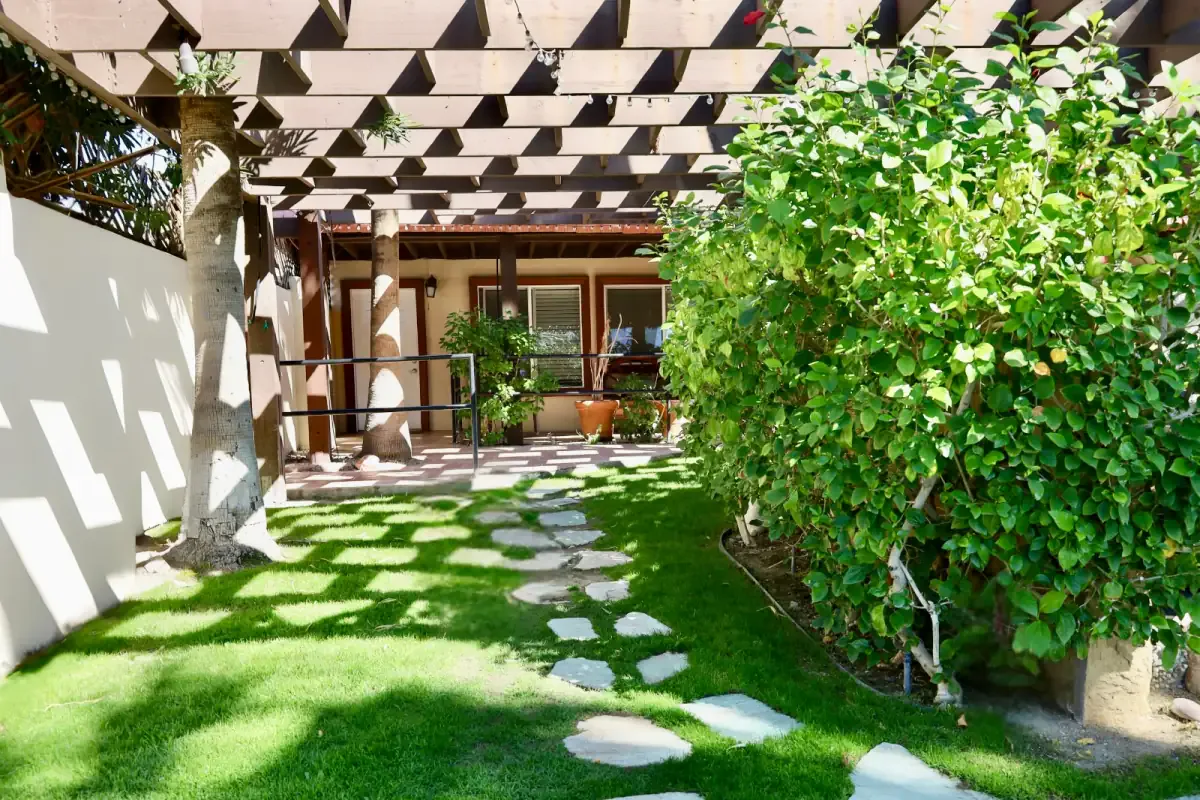
Private care in the California desert
Luxury addiction treatment in Desert Hot Springs, CA can feel calm and deeply personal. Privacy matters. At Living Longer Recovery, a 14-person setting gives you room to step away from the noise and focus on what comes next.
14-personprivate setting
Desert Hot Springs, CACoachella Valley
#330022BPlicense/application
A place that feels different
By the time you look for treatment, you may be tired of promises. You may fear what happens next. Or you may simply be ready for life to feel different. You deserve a place where you can exhale before taking the next step.
Living Longer Recovery offers that room in Desert Hot Springs, CA. Garden paths and planted courtyards sit in warm desert light. The private 14-person setting gives serious recovery work a calmer backdrop. Comfort has a purpose here. It can help you settle in and feel less exposed. Then you can give more attention to healing.
Talk with admissions about your next stepCare for the moment you are in
You do not need to arrive with a program already chosen. Start by sharing what is happening now. Admissions can listen, ask practical questions, and help clarify which level of support may be appropriate. Program details and availability are always confirmed directly.
Stopping can feel physically uncertain. Drug and alcohol detox can offer a supervised start focused on safety and comfort. From there, you can prepare for continued care.
See if this fits your needsLive-in support gives you time away from daily pressure. The private 14-person setting makes space for a more personal and focused recovery experience.
See if this fits your needsA focused daytime program can offer substantial support. You can return to a setting outside residential care in the evening.
See if this fits your needsThis level offers more flexibility as you continue treatment. It can help you rebuild routines tied to home, work, school, or family life.
See if this fits your needsOngoing support can help protect the progress you have made. It also gives you more independence in day-to-day life.
See if this fits your needsA supportive place to live can give new routines time to take hold. Added structure and connection can help you build a steadier daily life.
See if this fits your needsSubstances we treat
You may know the exact substance. You may only know that a prescription changed, a pill came from outside a pharmacy, or several substances are involved. That is enough to begin. You are a person asking for help, not a label that needs to fit perfectly.
Tell admissions what you know and what feels urgent. A call can help uncover the questions that need answers. The substance names below may help you describe the concern. They do not make a diagnosis or promise that a certain program will fit or be open.
Alcohol or sedative use may have been part of your life for years. It may also have changed fast. You might fear what happens if you stop. Perhaps you are worried about your health or what your family is seeing. Begin by sharing what you know. Admissions can explain when supervised drug and alcohol detox may need to be considered.
Opioid concerns may involve prescription medicine, heroin, fentanyl, or pills from outside a pharmacy. You may not know the full mix. A pill may contain something its appearance does not show. Tell admissions what you know about recent use and urgent safety concerns. If someone may have overdosed or cannot breathe normally, call 911 now.
Stimulant use can change your sleep and mood. It may also affect judgment, close relationships, or your daily routine. You may feel worn down even when your mind will not slow down. The next step depends on what you use and what else may be involved. Urgent health concerns matter too.
Your experience may not fit one label. More than one substance may be involved. You may not know what a product contains. Anxiety, trauma, or severe sleep problems may be part of the story too. You do not have to sort that out alone before you reach out. A qualified professional must make final choices about safety and fit.
If someone may have overdosed, is difficult to wake, cannot breathe normally, is having a seizure, or is otherwise in immediate danger, call 911. A website inquiry is not an emergency service.
Private by design
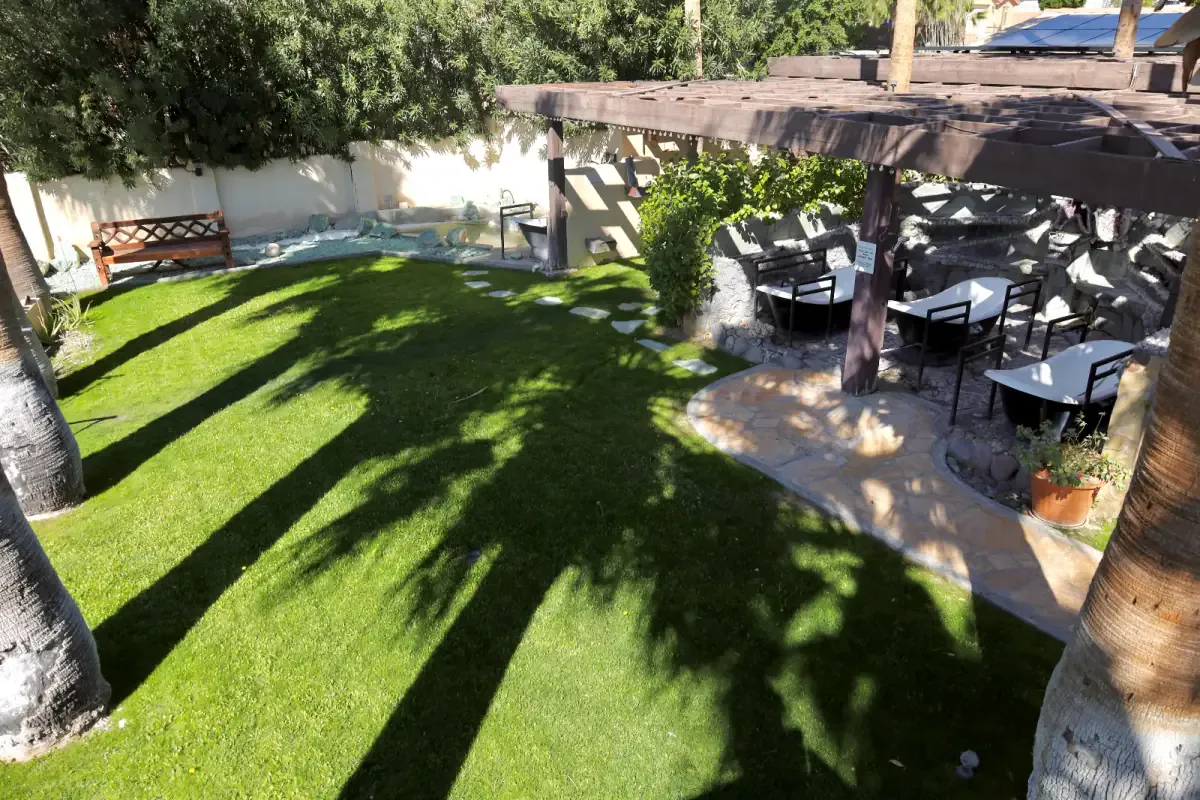
Living Longer Recovery offers luxury addiction treatment in Desert Hot Springs, CA within a private 14-person setting. Shaded garden paths cross planted courtyards. Outdoor spaces give you room to slow down. The desert setting can help you step away from daily pressure and focus on recovery.
The luxury here is quiet and useful. It means fewer distractions, a more personal atmosphere, and surroundings that feel considered instead of clinical. You can see the actual property in the photographs and tour. Ask admissions to confirm any room, access, or amenity detail that matters to you.
Watch the facility tour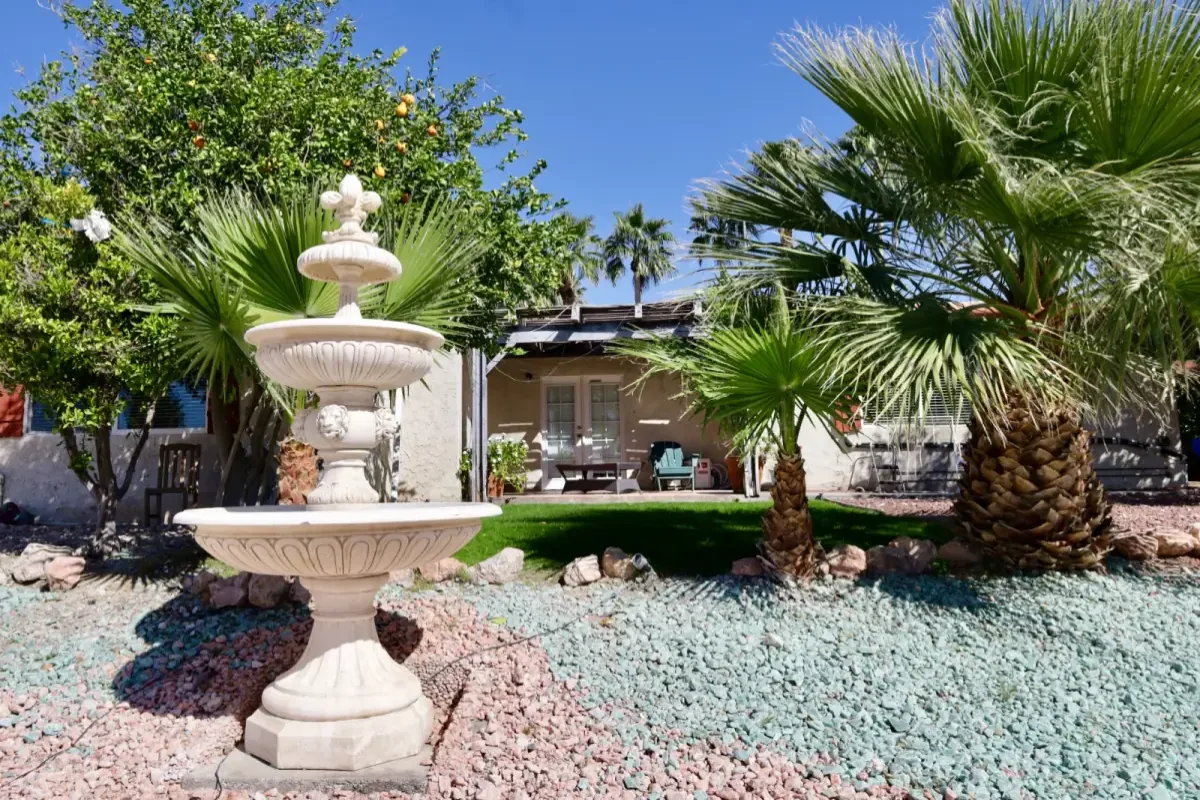
A simple next step
Every visible field is required. Share only the contact details and general question needed to reach you. Do not include medical, substance-use, or other sensitive health information.
This form is not monitored for emergencies. Call 911 for immediate danger, or call admissions at 747-232-9694.
A clear first step
Reaching out can feel like saying yes before you understand the choice. Ask questions first. A good call should make urgent safety needs clear. It should also help you understand possible fit and the next real step.
You can begin with one honest sentence about what is happening today. From there, admissions can explain what information is useful and which decisions require direct or clinical review. We cannot promise placement or insurance coverage from a form, and we will not pretend that every setting fits every person.
You do not need a polished explanation. Share the immediate concern, the substances involved if known, and what prompted you to seek help today. Admissions can explain what information is useful and when urgent medical or emergency support is more appropriate.
Admissions may ask about recent use and prior care. Health needs, your location, and support at home may also matter. You can ask about travel, payment, privacy, belongings, and daily life at the facility.
A form cannot decide placement. Admissions can explain whether the program may fit and what still needs clinical review. If the setting is not right, ask what other options should be considered.
If care is available and fits your needs, the next step is an arrival plan. Ask about timing, travel, what to bring, required records, medicine, and payment. Know who can answer your last questions before the trip.
For families and trusted supporters
Families often arrive after weeks or months of watching something change. You may fear for your loved one's safety. Maybe another promise to stop no longer feels like enough. You may also worry that one wrong sentence will push them away. You do not have to solve all of that before asking for help.
Write down what you know. Note the substances involved and changes in sleep or behavior. Add health concerns, prior care, the person's current location, and any urgent risk. Bring your doubts too. You are not expected to investigate or make a diagnosis. Those details give admissions a clearer place to start.
You can also ask the questions that matter to your family. What information is needed? What still requires professional review? What can be shared? What should happen if this facility is not the right fit? Clear answers can help you move from fear toward a safer, more informed decision.
Get ready for the first conversationSee the property
Take a closer look at the real Desert Hot Springs, CA property before you make a decision. The tour lets you move through the setting at your own pace. It plays only when you choose, with no autoplay and no pressure to reach out before you are ready.
Useful before the first call
Treatment information should make the next choice clearer. Start with the question in front of you. Which care level may fit? How can you help someone you love? What can insurance confirm? What should you know before travel and arrival?
Care options
For families
Planning
Arrival
What luxury should mean in treatment
Beautiful grounds can help you imagine being here. Their deeper value is simple. You gain more privacy and less daily noise. You begin hard work in a place that feels cared for. Living Longer Recovery’s 14-person capacity adds to that sense of scale. The setting feels personal. It is not a sprawling campus where you can easily disappear.
Honesty matters as much as atmosphere. No photograph can decide whether a program is clinically appropriate. No form can promise admission or coverage. You deserve direct answers about current availability, program fit, and the practical details that affect your stay. When an answer still needs review, it should be said plainly.
Luxury treatment should respect your pace. Look through the real facility photos. Watch the tour. Learn about possible care levels and write down your questions. When you feel ready, the next step is a private talk about what you need now. That is where a thoughtful choice begins.
Questions worth answering clearly
These are the questions people often carry into a first conversation. The answers are direct about what is known, what must be confirmed, and what no facility should promise before learning more about you.
No. You can begin with what is happening today. Admissions may ask about recent substance use, health concerns, prior treatment, your current location, and the support you have at home. Those details help guide a more informed conversation. Final placement still depends on individual review, current availability, and the program’s confirmed scope.
Living Longer Recovery is located at 68257 Calle Azteca in Desert Hot Springs, CA, north of Palm Springs, CA. The setting places you in the Coachella Valley while giving you some distance from the pace and pressure of everyday life. The facility shown in the photography and tour is the Desert Hot Springs, CA property.
A 14-person capacity creates a more human-scale environment than a large campus. It can offer more room for privacy, fewer faces to learn, and a calmer place to settle into treatment. Capacity alone does not promise a staffing ratio, room type, schedule, or outcome, so admissions should confirm the details important to you.
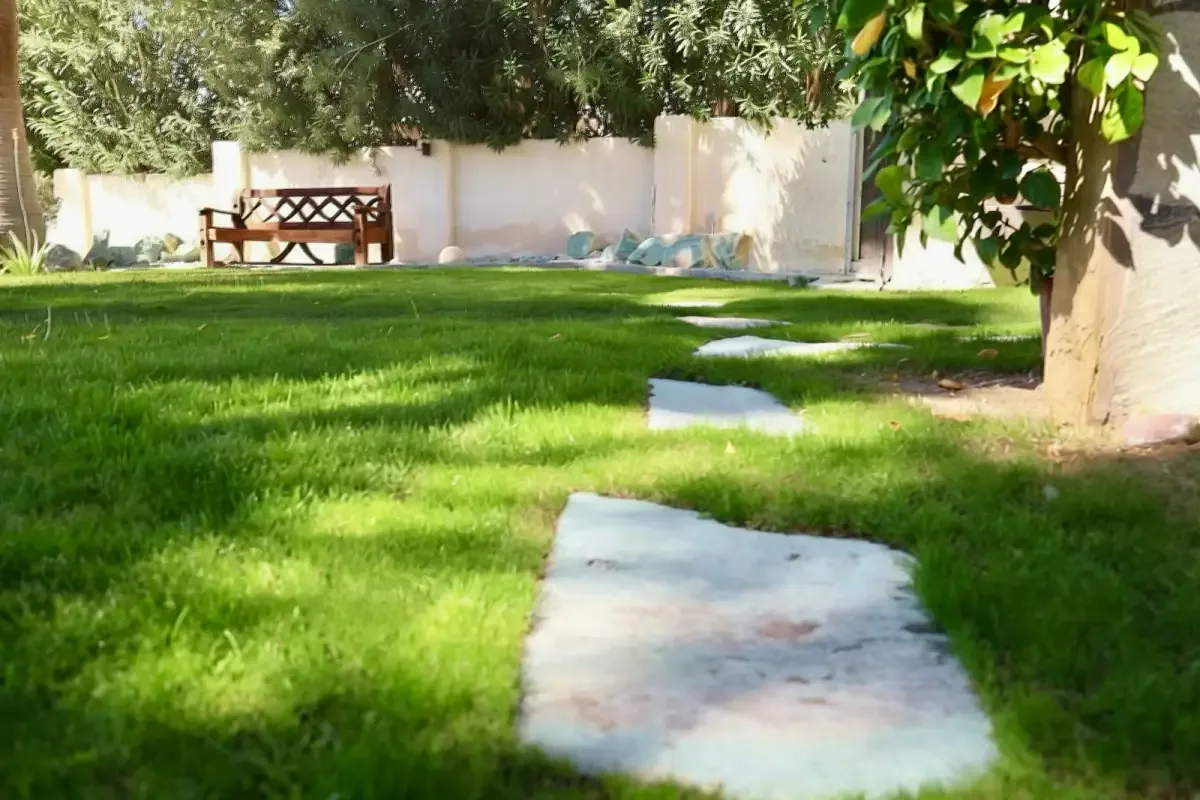
Yes. The photography on this page comes from Living Longer Recovery, and the facility tour gives you a closer look at the Desert Hot Springs, CA property. You can see garden paths, courtyards, and outdoor gathering areas before you begin a conversation. Ask admissions to confirm any room, access, or amenity detail that matters to your decision.
No. A form cannot guarantee admission, placement, payment, insurance coverage, or a final out-of-pocket amount. Those decisions require current information and direct review. Admissions can explain what information is needed and what benefit verification can and cannot establish.
A responsible admissions conversation should leave room for an honest answer. Living Longer Recovery cannot be the right setting for every person or every clinical situation. If another resource or a different level of care is more appropriate, that should be discussed clearly. Immediate danger or a possible medical emergency always calls for 911, not a form response.
Begin when you are ready
You do not need to know the right level of care or have every detail organized. Begin with what is happening now. Admissions can listen, answer practical questions, and explain what information is needed before any next step is considered.